Getting groceries without a car
This helps students who shop on foot, by bike or by bus plan grocery trips around a week of classes. Stores right next to campus are often small and charge more, so reaching a full grocery store, even twice a month, changes what a food budget can cover.
Shuttles and transit to the store
Some colleges run a grocery shuttle on set days, often weekends, from the residence halls to one or two nearby stores. The transportation office or the basic needs center usually lists the route and times. Local buses are the other common route, and a student transit pass, where your college offers one, makes regular trips easier.
Plan the trip around the bus schedule rather than your list. A trip timed to the return bus keeps you from waiting at a stop with frozen food in your bag.
Plan the trip around the bus schedule rather than your list.
Carrying a week of food home
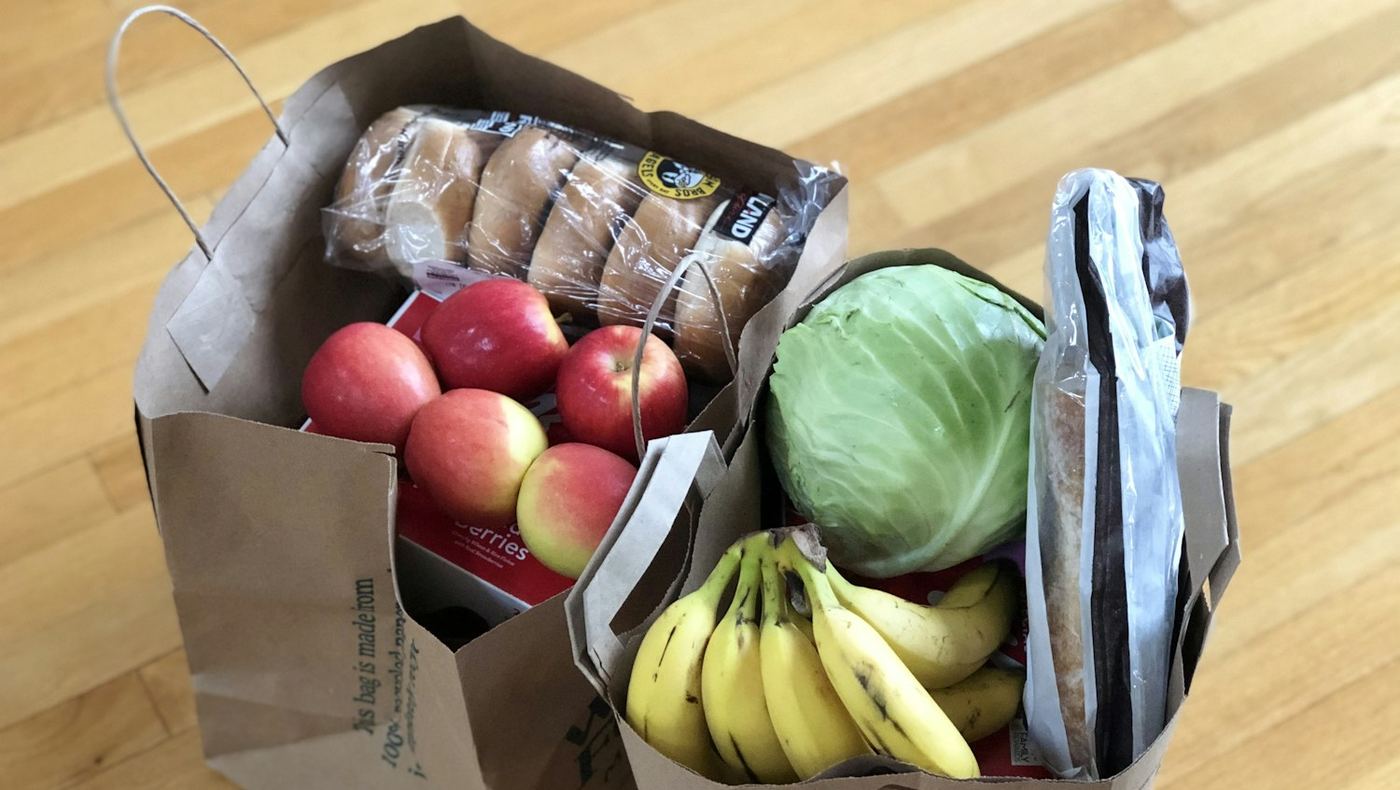
A large backpack, a folding cart or a pair of sturdy reusable bags holds more than people expect. Heavy items such as canned goods, rice and drinks are worth saving for a shared trip or an online order rather than carrying across campus every week. On a bike, panniers or a rear basket keep the load low and steady.
Shopping with roommates or friends lets you split bulk packs and share the carrying. Agree on who pays for what before you reach the register, and keep receipts if you are dividing costs.


Ordering online and pickup
Many grocery stores take orders online for pickup or delivery, and in most states SNAP can be used for online orders at stores that accept it. SNAP cannot pay delivery or service fees, so check those before you place the order. A pickup order timed for when a shuttle or bus runs saves walking the aisles with a full load.
Delivery fees and tips add up quickly, so many students keep delivery for one large order of heavy, shelf-stable items each month and walk to a nearby store for fresh food in between.
Fresh food closer to campus
Farmers markets in some cities accept SNAP, and some add extra credit for fruit and vegetables bought with it, so ask at the market's information table. A campus pantry or a weekly produce stand run by the basic needs center can fill the gap between big trips.
What you can do this week
- Ask whether your campus runs a grocery shuttle
- Look up the bus route to a full grocery store
- Plan one shared trip for heavy items
- Check the delivery and service fees before ordering
Who to ask
The transportation office and the basic needs center
Worth remembering : A shuttle, a bus pass, a friend with a cart and an occasional pickup order can replace a car for groceries.