Lab kits, tools and uniforms for a program
Programs in nursing, welding, culinary arts, cosmetology, art and the lab sciences often ask for gear that never appears on a book list. This explains where to find what a program requires, how the cost of attendance treats it, and where to ask for help paying for it.
Where the requirements are listed
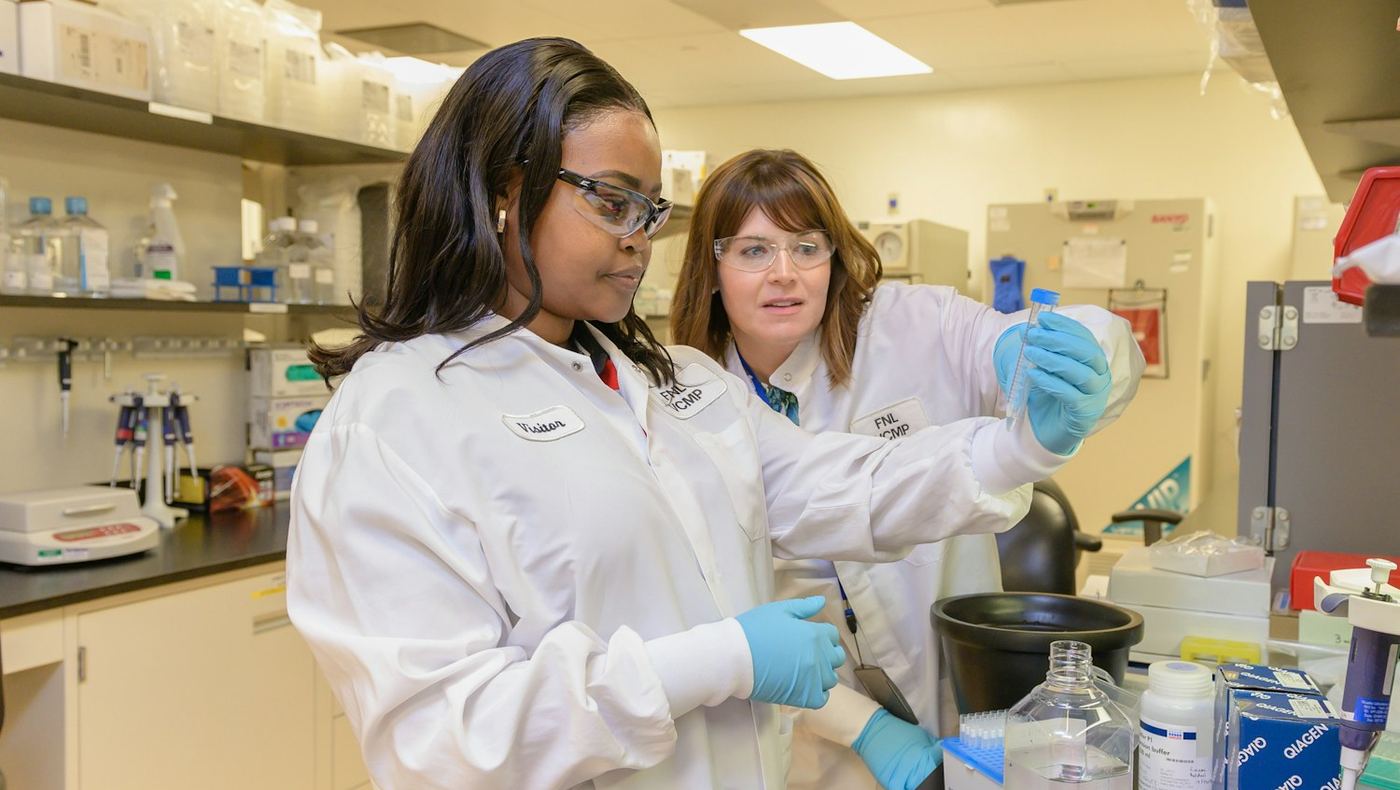
Program handbooks, orientation packets and department websites usually list required kits, tools and clothing, sometimes down to the model the program accepts. Examples include scrubs and a stethoscope, a knife roll, steel-toe boots, a welding helmet, a drawing kit, safety goggles and a lab coat. Some items are needed on the first day of a clinical or shop session, and an instructor may keep a student out of a lab without the right safety gear.
Ask the program office for the list as soon as you are admitted, and ask whether the program sells its own kit or lets you put one together. A program kit may be required because instructors check for specific items, while a kit you assemble yourself can cost less where the rules allow it.
Ask the program office for the list as soon as you are admitted, and ask whether the program sells its own kit or lets you put one together.
Charges on the bill
Some programs add the kit, uniform or lab materials to the student bill as a course or program fee. Those charges count as tuition and fees in the cost of attendance, and aid can pay them like any other charge on the account. Read the fee description to see whether the kit becomes yours or has to be returned.
Other programs leave the purchase to you. The cost then falls under the books, supplies and equipment allowance, which may not reflect a program with heavy equipment needs. Some colleges set a separate allowance for specific programs, and the aid office can tell you which one applies to yours.


Lowering the cost
Graduating students often sell or hand down tools, uniforms and kits, and program offices and student clubs sometimes keep a lending closet or swap shelf. Check that a used item still meets the program's rules, especially safety gear, which may need to be new or certified.
Some colleges run a tool or equipment loan program, and some employers who hire from a program help students with tools or work clothing. Ask the program coordinator what exists before you buy. If required gear still costs more than the allowance, bring the program list and your receipts to the financial aid office and ask whether it can review your cost of attendance.
What you can do this week
- Ask the program office for its required equipment list
- Check whether the kit is billed to your account
- Ask graduating students about used tools and uniforms
- Bring receipts to the aid office if costs exceed the allowance
Who to ask
Your program coordinator and the financial aid office
Worth remembering : Get the program's equipment list early, and treat required gear as part of the cost the aid office can review.