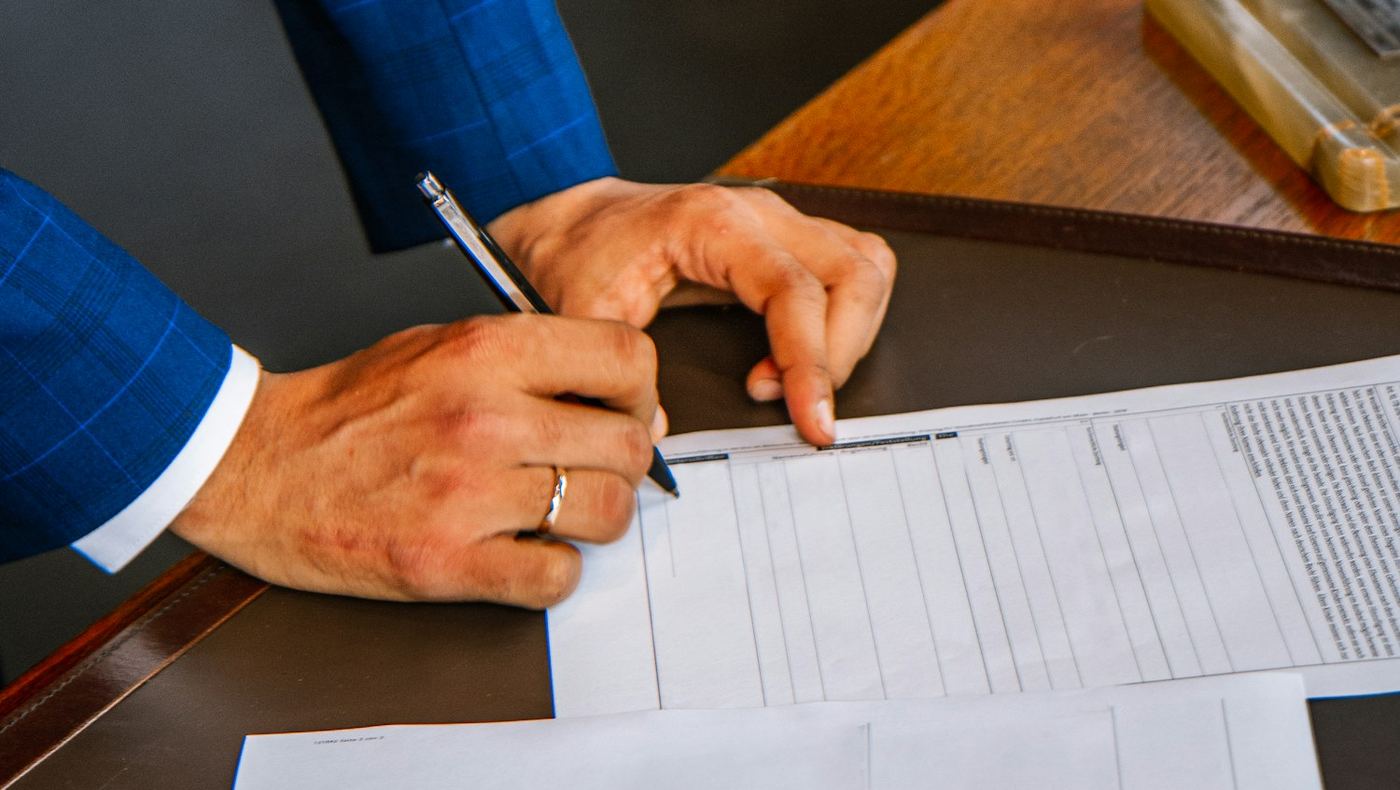
Reading a lease before you sign
This walks through a residential lease clause by clause so you know what you are agreeing to before the signature goes on. A lease is a binding contract, and the time to question a term is while it can still be changed.
The term and the rent
Start with the dates. The lease names the first and last day you are responsible for the unit, and many student leases run a full year regardless of the academic calendar. Check whether it renews by itself unless you give notice, and how many days of notice the landlord requires.
Next, find the rent due date, any grace period and the late fee. Some leases add a daily charge once the grace period ends, and others charge for a returned payment. Note how the landlord accepts rent, since a lease that requires a check or an online portal shapes how you plan each month.
Deposits, utilities and repairs
The deposit clause should say how much is held, what it can be used for and how it is returned. State law limits deposits in many places and sets a deadline for returning them, so ask a tenant rights office in your state what applies. Look for any fee labeled nonrefundable, such as a cleaning or administration charge.
The utilities section tells you which services are in the rent and which ones you must set up in your own name. The repairs section should explain how to request a repair, how quickly the landlord responds and when the landlord may enter the unit.
Guests, subletting and leaving early
Guest rules can limit how long a visitor may stay. Subletting clauses usually require the landlord's written approval before someone else takes over your room for a summer or a semester abroad. Read both closely if your plans might change during the year.
The early termination clause often matters most to students. It may require a fee, a notice period or that you keep paying until a new tenant moves in. Some states let tenants end a lease early in specific situations, such as military service or domestic violence, and a legal aid office can explain those rules.
Getting help before you sign
Many colleges have an off-campus housing office or student legal services that will read a lease with you at no charge. Bring the full document, including any addendum or building rules it refers to. Ask the landlord to put every spoken agreement in writing, sign only a complete copy, and keep one for yourself.
Ask the landlord to put every spoken agreement in writing, sign only a complete copy, and keep one for yourself.
What you can do this week
- Mark the lease start, end and renewal dates
- Find the late fee and the grace period
- Ask which utilities you set up yourself
- Book a lease review with student legal services
Who to ask
The landlord, the off-campus housing office or student legal services
Worth remembering : Question a lease term before you sign, while it can still change.